
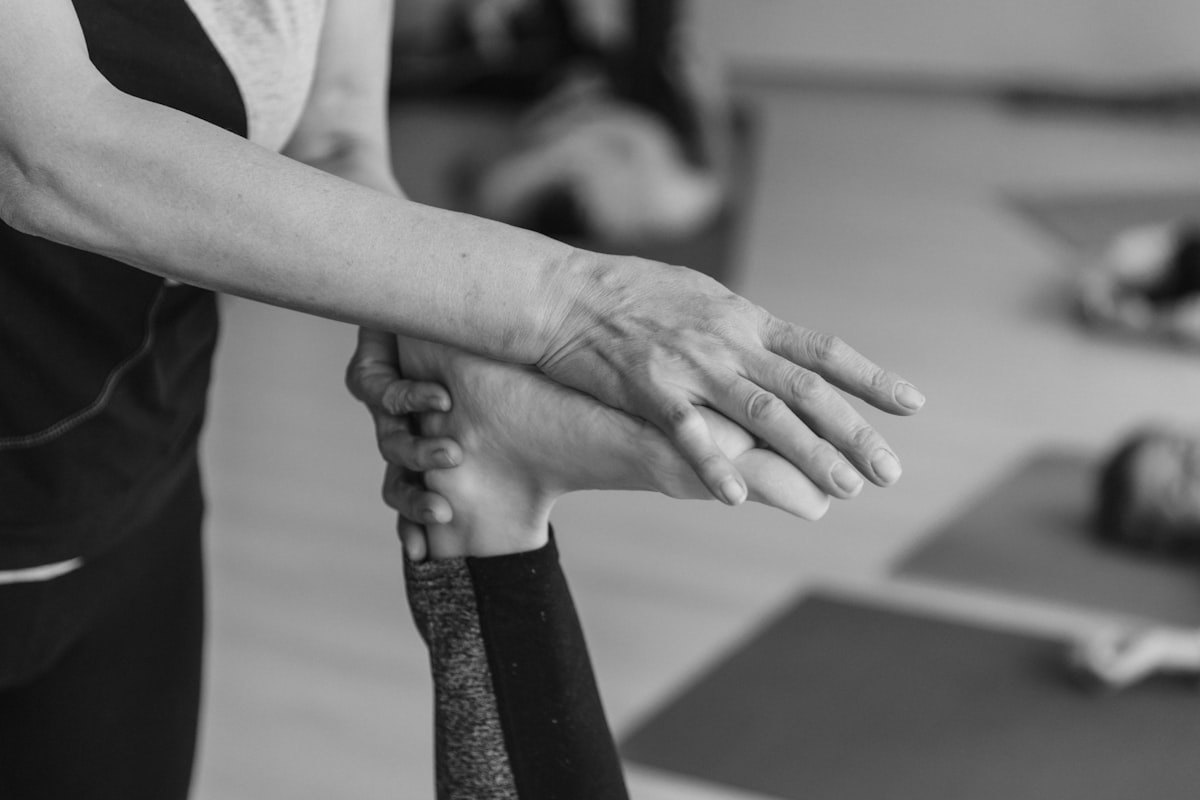
Your Complete Guide to Joint Mobility & Long-Term Joint Care
Expert-backed physiotherapist tips, joint prevention strategies, and evidence-informed mobility exercises — curated for active people in Finland who want to move well for life.
Looking for practical joint care advice written by rehabilitation professionals?
Browse All Joint Care ArticlesWhat a Rehabilitologist Knows — and Why It Matters for Your Joints
A rehabilitologist is a specialist who studies how the human body moves, adapts, and recovers from strain. Unlike general fitness advice, rehabilitologist insights are grounded in anatomy, biomechanics, and real-world clinical observation. This editorial platform brings that depth of knowledge directly to readers.
Understanding how to preserve joints, develop correct posture when walking, and build healthy habits for joints isn't about quick fixes — it's about cultivating a lifestyle that supports your body over decades. Our content covers everything from light joint warm-up routines to joint support during exertion in demanding outdoor environments like Finnish winters.
We focus on how to move correctly during the day, whether you work a desk job or are physically active. Safe gymnastics, joint prevention principles, and joint mobility techniques are all explored in plain, accessible language.
Read Our Joint Care Content
A Practical Path from Stiffness to Confident Movement
Our editorial content is structured so readers can follow a logical progression — from understanding joint anatomy to building daily habits that keep you moving freely at every age.
Understand Your Joints
Start by reading our foundational articles on how joints work, what stresses them, and which habits silently reduce joint mobility over time. Knowledge is the first step toward effective joint prevention.
Learn Safe Movement Habits
Discover physiotherapist tips on proper posture when walking, how to move correctly during the day, and safe gymnastics approaches designed to support — not strain — your joints. Activity during sedentary work is a key theme we explore in depth.
Build a Sustainable Routine
Once you understand the principles, our guides help you build a light joint warm-up routine, develop healthy habits for joints, and align your nutrition with a joint support diet — creating a lifestyle that keeps you active for years to come.
Joint Areas We Cover in Detail
Our editorial team addresses the most common areas where people experience joint stiffness, reduced mobility, or structural strain — with practical, physiotherapist-reviewed content for each.
Knee Joint Care
The knee is one of the most frequently strained joints in daily life. We cover joint prevention strategies, safe mobility exercises, and how to preserve joints under the pressure of walking, stairs, and sport activities common in Nordic lifestyles.
Read knee care articlesHip Joint Mobility
Hip mobility affects everything from your walking posture to lower back comfort. Our articles explore light joint warm-up sequences, joint support during exertion, and how correct movement patterns can preserve hip function through decades of active life.
Read hip mobility guidesShoulder & Upper Body
Shoulder stiffness is increasingly common in desk-based workers. We publish physiotherapist tips on activity during sedentary work, correct desk posture, and safe gymnastics for the upper body that keep the shoulder girdle flexible and resilient.
Read shoulder articlesSpinal Joint Health
The spine consists of dozens of small joints that require consistent movement to stay healthy. Our content explains proper posture when walking, ergonomic principles, and how to move correctly during the day to reduce spinal joint strain in everyday Finnish life.
Read spine health contentJoint Support Diet
Nutrition is a foundational pillar of joint care that is often overlooked. We publish detailed guides on a joint support diet and a healthy menu for active people — helping readers understand which foods contribute to connective tissue strength and joint resilience.
Explore nutrition guidesActive Lifestyle & Joint Prevention
Being active is the best long-term joint prevention strategy — when done correctly. Our editorial content covers joint support during exertion, how to adapt exercise habits across seasons, and how healthy habits for joints translate into more freedom in everyday movement.
Learn about active preventionWant the latest physiotherapist tips in your inbox?
Join readers across Finland who receive our weekly editorial digest on joint mobility, safe movement habits, and joint care advice — no subscriptions, no products, just knowledge.
Editorial content only. We never share your email. Unsubscribe anytime.
An Editorial Platform Built Around Verified Rehabilitation Knowledge
-
Physiotherapist-Reviewed Articles
Every piece of content on this platform is checked against current rehabilitation science and physiotherapist tips from practicing professionals across Scandinavia.
-
Practical, Everyday Focus
We write about how to move correctly during the day, how to preserve joints during Finnish winters, and how activity during sedentary work can make a real difference — content relevant to your actual daily life.
-
No Products, No Bias
This is a pure editorial resource. We do not sell or endorse any product. Our only goal is to help you understand joint care, joint mobility, and joint prevention from a science-informed perspective.
-
Built for the Finnish Reader
From the cold-season impact on joints to Nordic walking form and sauna culture, our content accounts for the unique lifestyle context of readers living in Finland.
Frequently Asked Questions About Joint Care
Answers to the questions our readers ask most often about joint health, mobility exercises, and long-term joint prevention strategies.
How important is a light joint warm-up before physical activity?
A light joint warm-up is considered by most physiotherapists to be essential before any form of exercise. Even five to ten minutes of gentle circular movements, dynamic stretches, and controlled range-of-motion exercises prepare the connective tissue around joints for load. This is one of the most effective joint prevention habits anyone can adopt.
What does proper posture when walking actually look like?
Proper posture when walking involves keeping the head balanced over the shoulders, the shoulders relaxed and not hunched forward, and the core gently engaged. The gaze should be forward, not downward. Heel-to-toe foot strike with appropriate footwear helps distribute forces evenly across the knee and hip joints, reducing unnecessary wear over time.
What are the best mobility exercises for desk workers?
For people who sit for long periods, the most valuable mobility exercises target the hips, thoracic spine, and ankles — areas that tend to stiffen with inactivity. Simple seated hip circles, doorframe chest stretches, and standing calf raises done every 45–60 minutes can significantly improve joint mobility and counteract the effects of sedentary work on the body.
How does diet contribute to joint health?
A joint support diet rich in omega-3 fatty acids, vitamin C, vitamin D, and minerals like magnesium and zinc provides the building blocks for healthy connective tissue. A healthy menu for active people typically includes oily fish, leafy greens, colourful vegetables, and adequate protein. Hydration also plays an underappreciated role in maintaining the fluid environment around joints.
Is safe gymnastics the same as regular stretching?
Safe gymnastics, as understood in rehabilitation contexts, is broader than conventional stretching. It includes controlled joint mobilisation, coordination exercises, and strength-based movements that stabilise joints — not just lengthen muscles. Physiotherapist tips consistently emphasise that joint stability and mobility should be developed together rather than treated as separate goals.
How should I adapt joint care during a Finnish winter?
Cold temperatures can make joints feel stiffer, particularly in the mornings or after time spent outdoors. It is important to extend your light joint warm-up during colder months, wear appropriate layering to keep joint areas warm, and choose footwear with non-slip soles to avoid compensatory movements caused by slippery terrain. Nordic walking with poles is excellent for joint support during exertion in winter conditions.
What Our Readers Say About the Content
Real feedback from people across Finland who have incorporated the physiotherapist tips and joint care principles found in our editorial guides into their everyday lives.
I spent months reading generic fitness advice without ever understanding why my hips felt so stiff after work. The articles on this platform about activity during sedentary work and proper posture when walking completely changed how I think about my body. I have been following the daily movement tips for several months now and my mornings are noticeably different — I move more freely and feel less tension in my lower back by midday.
Maarit Leinonen
Helsinki, Finland
The guide on light joint warm-up routines before Nordic skiing was exactly what I needed heading into last winter. The explanations were clear, non-technical, and actually actionable. I shared the article with my whole outdoor club in Tampere — everyone appreciated how practical it was.
Juhani Virtanen
Tampere, Finland
As someone who sits at a computer all day, the content on joint support during sedentary work resonated with me immediately. I now do a five-minute mobility break every hour, and the difference in how I feel by the end of the day is remarkable. The content is grounded and evidence-based — not sensational.
Siiri Korhonen
Espoo, Finland
I appreciate that this platform takes a whole-body approach — connecting joint support diet, healthy habits for joints, and safe gymnastics into a coherent picture. The article on a healthy menu for active people helped me rethink my meal planning in a way that feels sustainable rather than prescriptive.
Aleksi Mäkinen
Oulu, Finland
Small Daily Choices Add Up to Lifelong Joint Mobility
Joint care is not a single dramatic intervention — it is the accumulation of many small, consistent decisions. Choosing to take the stairs, adjusting your sitting posture, taking a short walk after meals, and performing a brief light joint warm-up each morning are all acts of joint prevention that compound over time.
Our editorial content helps readers identify where these small pivots can be made in their own lives. Whether you are a student, a professional, a parent, or a retiree, the physiotherapist tips we publish are designed to be accessible and adaptable to your specific circumstances and physical baseline.
The relationship between how to move correctly during the day and how you feel years from now is direct and measurable. This platform exists to make that connection visible and actionable for every reader.
Discover Daily Joint Care Tips
Start Reading — Your Joints Will Thank You
Flexibilityrecoverypath is a free editorial resource for anyone who wants to understand joint mobility, learn from rehabilitation experts, and build healthy habits for joints that last a lifetime. No subscriptions. No products. Just knowledge.
Editorial content for informational purposes only. Always consult a qualified healthcare professional for personal medical guidance.
Email Us
[email protected]Response Time
Within 2 business days
Coverage
English-language, Global Audience
Content Standard
Evidence-based & Peer-reviewed
Frequently Asked Questions
Everything you need to know about how Flexibilityrecoverypath creates, reviews, and publishes its health and physiotherapy content.
Yes. All our articles are authored or reviewed by licensed physiotherapists, sports medicine specialists, and certified rehabilitation coaches. Each piece undergoes an editorial review process to ensure accuracy, safety, and alignment with current clinical guidelines before publication.
No. Flexibilityrecoverypath is an editorial and educational resource. All content is intended for general informational purposes only and should never replace a personalised consultation with a licensed healthcare provider. If you are experiencing pain, injury, or any medical concern, please seek professional assessment immediately.
We publish new articles, guides, and expert tip collections multiple times per week. Our editorial calendar prioritises timely topics such as seasonal injury prevention, emerging research in flexibility science, and reader-requested rehabilitation subjects. Existing articles are also regularly updated to reflect the latest clinical evidence.
Our editorial scope covers a wide range of recovery and flexibility subjects including: stretching techniques and mobility drills, post-surgical rehabilitation guidance, sports injury recovery protocols, postural correction exercises, myofascial release and soft tissue therapy, pain management strategies, and physiotherapist-recommended lifestyle adjustments for long-term musculoskeletal health.
We welcome topic suggestions and qualified contributor submissions. If you are a licensed physiotherapist, sports medicine professional, or credentialled health writer, you may contact our editorial team at [email protected]. All submissions are reviewed by our senior editors before acceptance.
Our editorial team does not endorse specific commercial products, clinics, or individual practitioners. Any equipment or tool mentioned in our articles is referenced purely for educational illustration. We maintain strict editorial independence to ensure our readers receive unbiased, evidence-driven information.
Stay Ahead of Your Recovery
Join thousands of readers who receive our latest physiotherapy guides, flexibility programmes, and expert recovery tips directly to their inbox — free, every week.
No spam, ever. Unsubscribe at any time. We respect your privacy.